

Why preconception health matters
The months before conception are an important opportunity to assess health factors that may influence fertility and pregnancy.
Rather than waiting until you're actively struggling to conceive, preconception care allows us to look at reproductive hormones, thyroid function, nutrient status, metabolic health, medications and supplements, menstrual cycles, lifestyle, and where appropriate male fertility factors.
This isn't about creating a "perfect" body before pregnancy. It's about identifying meaningful, modifiable factors and making sure your body has the nutritional and physiological support it needs.
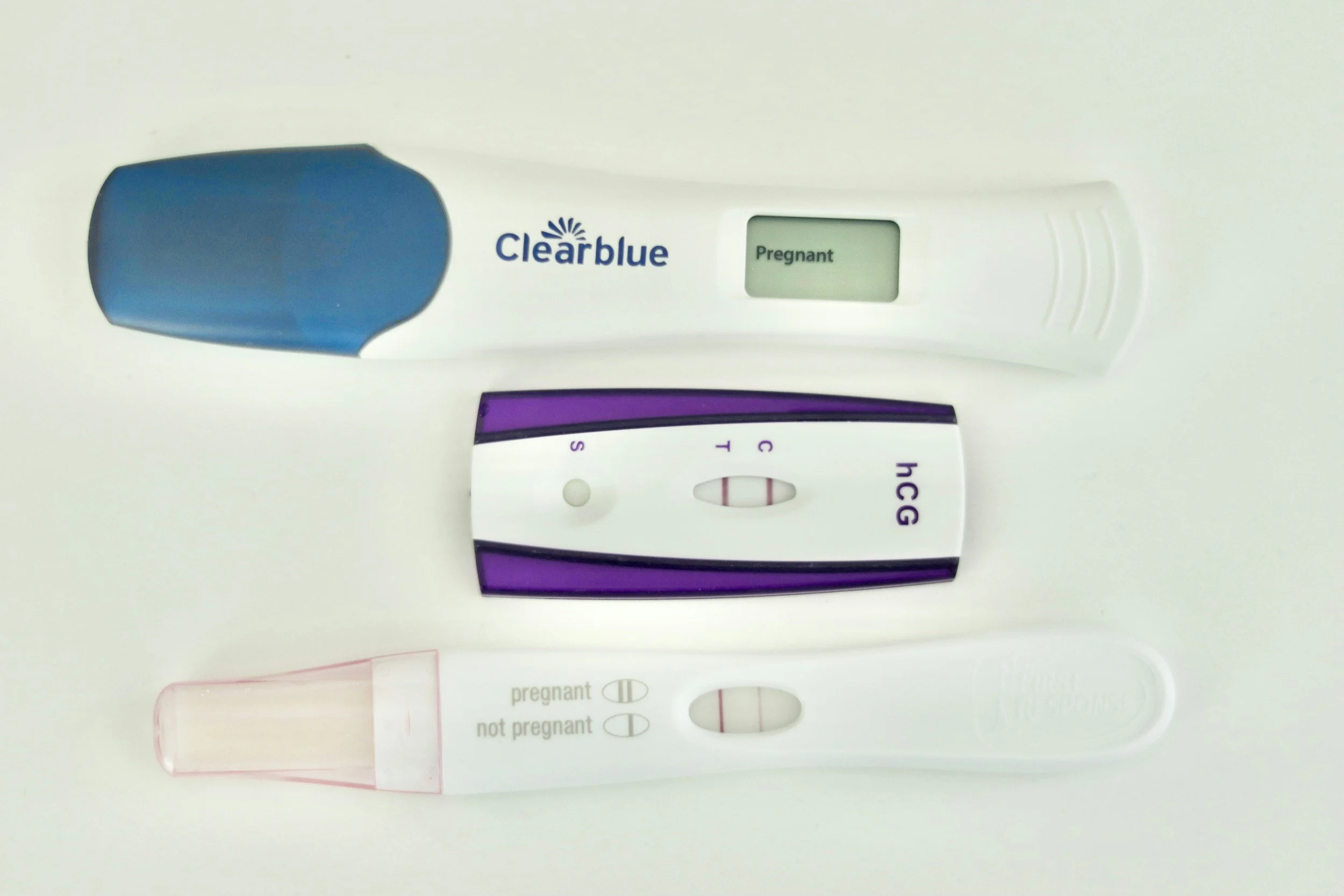
What might be affecting fertility?
Ovulation and reproductive hormones. Regular cycles don't always guarantee optimal ovulation. Depending on your history, we may assess progesterone, estradiol, FSH, LH, AMH and androgen patterns.
Thyroid function. Thyroid hormones interact closely with ovulation, menstrual cycles and pregnancy, which makes thyroid assessment particularly important before conception.
Insulin and metabolic health. Insulin resistance can disrupt ovulation and is particularly relevant in PCOS.
Nutrient status. Iron, folate, B12, vitamin D and other nutrients become especially important during preconception and pregnancy.
Inflammation and overall health. Chronic inflammatory conditions, digestive concerns, significant stress and poor sleep can affect overall reproductive health.
Male fertility. Fertility isn't solely a female issue. When appropriate, both partners should be assessed rather than placing the entire fertility workup on one person.
Naturopathic fertility and preconception care
Trying to conceive can quickly become overwhelming especially when you're told everything looks "normal" but pregnancy still isn't happening.
Fertility is influenced by much more than reproductive hormones alone. Thyroid function, blood sugar, nutrient status, inflammation, sleep, stress, metabolic health, and both egg and sperm health can all be part of the picture.
Whether you're preparing to start trying, have been trying for several months, have experienced pregnancy loss, or are undergoing IUI or IVF, my approach is to identify the areas we can optimize before and during conception.
Common reasons patients come in
Patients often come to me for:
Preconception planning
Difficulty conceiving
Unexplained infertility
Irregular or absent ovulation
PCOS-related fertility concerns
Recurrent pregnancy loss
Low AMH or concerns about ovarian reserve
Preparing for IUI or IVF
Thyroid concerns while trying to conceive
Insulin resistance or blood-sugar concerns
Nutrient deficiencies, including low iron or vitamin D
Male fertility and sperm-health optimization
What treatment might include
Your plan may include:
Preconception nutrition
Prenatal and nutrient optimization
Targeted supplementation based on your history and testing
Blood-sugar and metabolic support
Sleep and stress support
Menstrual-cycle and ovulation tracking
Botanical medicine where appropriate
Lifestyle strategies for both egg and sperm health
Support alongside IUI or IVF
When to consider naturopathic fertility care
You don't need to wait until you've been diagnosed with infertility.
Consider coming in if you're planning to conceive within the next 3–6 months, have irregular cycles or PCOS, have experienced pregnancy loss, have known thyroid or metabolic concerns, are preparing for assisted reproduction, or simply want a more comprehensive preconception assessment.
Frequently Asked Questions
-
Ideally, several months before you begin trying. But there is no point at which it's "too late" to start improving nutrition, nutrient status and overall health.
-
Yes. Naturopathic fertility care is complementary. I can work alongside your fertility specialist, OB/GYN, family physician or reproductive endocrinologist.
-
Absolutely. Male factors contribute to a substantial proportion of fertility challenges, so sperm health, nutrition, lifestyle and metabolic health shouldn't be overlooked.
-
I can provide supportive naturopathic care before and during assisted reproductive treatment while respecting your fertility clinic's protocols and medications.
-
Yes. I see patients virtually throughout Ontario and in person in Toronto.
-
Book a free 15-minute discovery call to talk about where you are in your fertility journey and whether working together is the right fit.