
Staying Active During Pregnancy
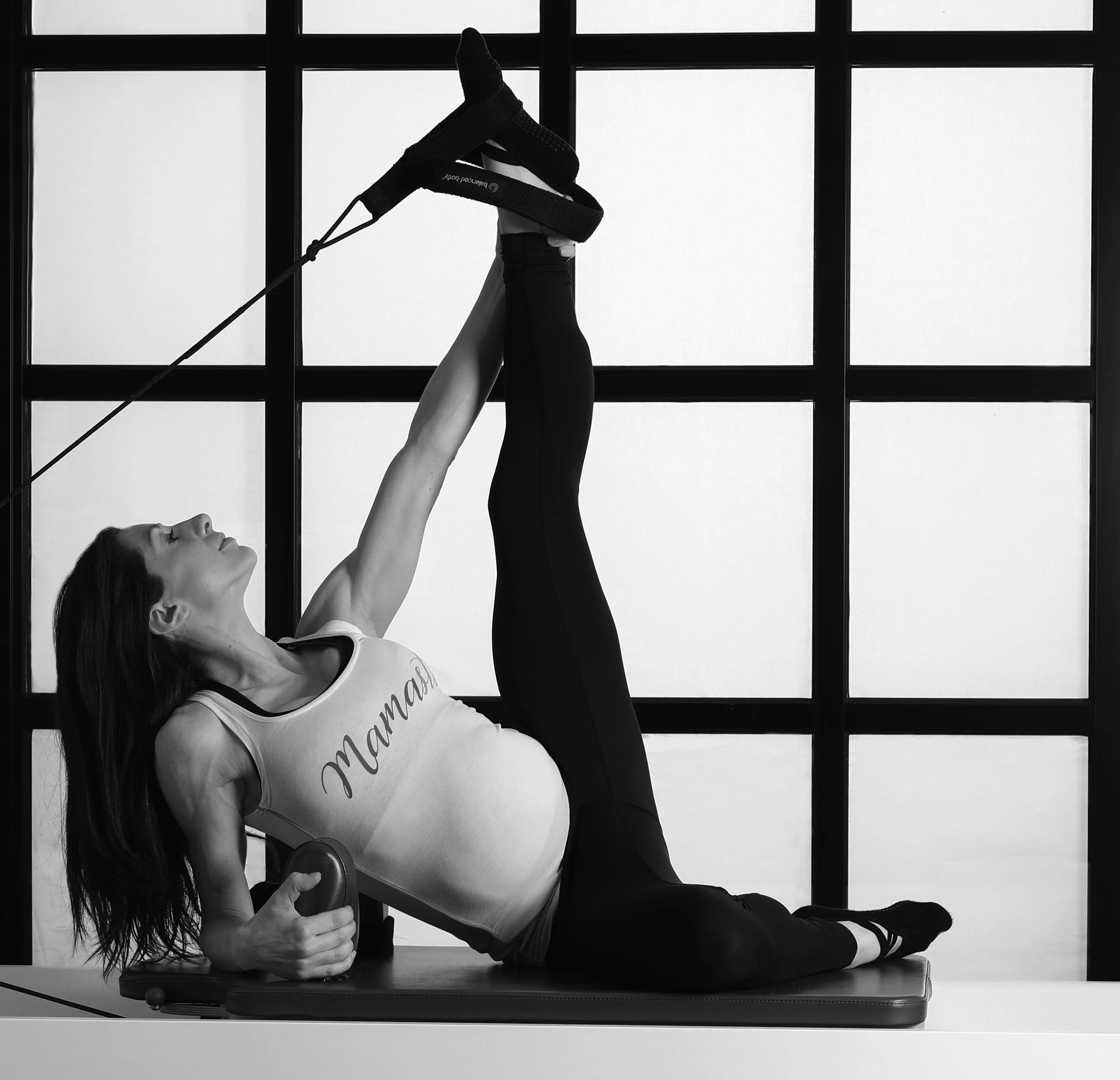
Staying active during pregnancy used to be a taboo topic, just decades ago women were told not to engage in exercise during pregnancy.
Exercise is not associated with an increased risk of adverse maternal or perinatal outcomes. Adherence to current guidelines is sufficient to achieve the main benefits; exercise type and intensity should be tailored to a woman’s pre-pregnancy fitness level. A growing body of research supports these benefits of exercise during pregnancy.
Exercise being able to prevent pregnancy related disorders:
Gestational diabetes
Excessive gestational weight gain
Fetal macrosomia
Lumbopelvic pain like Sciatica
Hypertensive disorders
Urinary incontinence
Anxiety
Reduction in chances of developing Organ Prolapse
What type of exercise is right for you?
The type and intensity of exercise that is appropriate during pregnancy largely depends on a woman’s fitness level before conception. If you were exercising regularly before becoming pregnant and your physician has cleared you to continue, maintaining a consistent exercise routine can be highly beneficial for both mother and baby. Research shows a range of activities can provide positive outcomes, including but not limited to strength training, Pilates, walking, and appropriately modified high-intensity training.
What happens if you didn’t exercise much before pregnancy but want to start now?
Don’t let that stop you, it’s never too late to begin. Start slow and gentle: short 20-minute walks after meals can help stabilize blood sugar and gradually build stamina. Consider trying a Pilates class taught by an instructor trained in pre- and postnatal care to ensure modifications that keep you and your baby safe. A gentle “mommy yoga” class is another lovely option to increase mobility, reduce tension, and support breathing and relaxation without overexertion. Listen to your body, pace yourself, and check in with your prenatal care provider if you have any concerns before starting a new exercise routine.
Because every pregnancy is different, an individualized approach can make a significant difference. Working with a naturopathic doctor allows for tailored guidance that supports both maternal health and fetal development.
It’s not to say that exercise is a cure to all things pregnancy related – however the point being it has so many benefits. Of course if you are running a high risk pregnancy or if you have been told by your OB that you should not be engaging in exercise – always listen to the medical advice given to you as each case is different.
Sources:
1. Paulsen CP, Bandak E, Edemann-Callesen H, Juhl CB, Händel MN. The Effects of Exercise during Pregnancy on Gestational Diabetes Mellitus, Preeclampsia, and Spontaneous Abortion among Healthy Women-A Systematic Review and Meta-Analysis. Int J Environ Res Public Health. 2023 Jun 6;20(12):6069. doi: 10.3390/ijerph20126069. PMID: 37372656; PMCID: PMC10298745.
Ribeiro MM, Andrade A, Nunes I. Physical exercise in pregnancy: benefits, risks and prescription. J Perinat Med. 2021 Sep 6;50(1):4-17. doi: 10.1515/jpm-2021-0315. PMID: 34478617.
Ghandali NY, Iravani M, Habibi A, Cheraghian B. The effectiveness of a Pilates exercise program during pregnancy on childbirth outcomes: a randomised controlled clinical trial. BMC Pregnancy Childbirth. 2021 Jul 2;21(1):480. doi: 10.1186/s12884-021-03922-2. PMID: 34215198; PMCID: PMC8253242.
Moolyk AN, Wilson MK, Matenchuk BA, Bains G, Gervais MJ, Wowdzia JB, Davenport MH. Maternal and fetal responses to acute high-intensity resistance exercise during pregnancy. Br J Sports Med. 2025 Feb 3;59(3):159-166. doi: 10.1136/bjsports-2024-108804. PMID: 39694629.
